

Helping leadership teams adapt marketing to what’s changed
and act with confidence
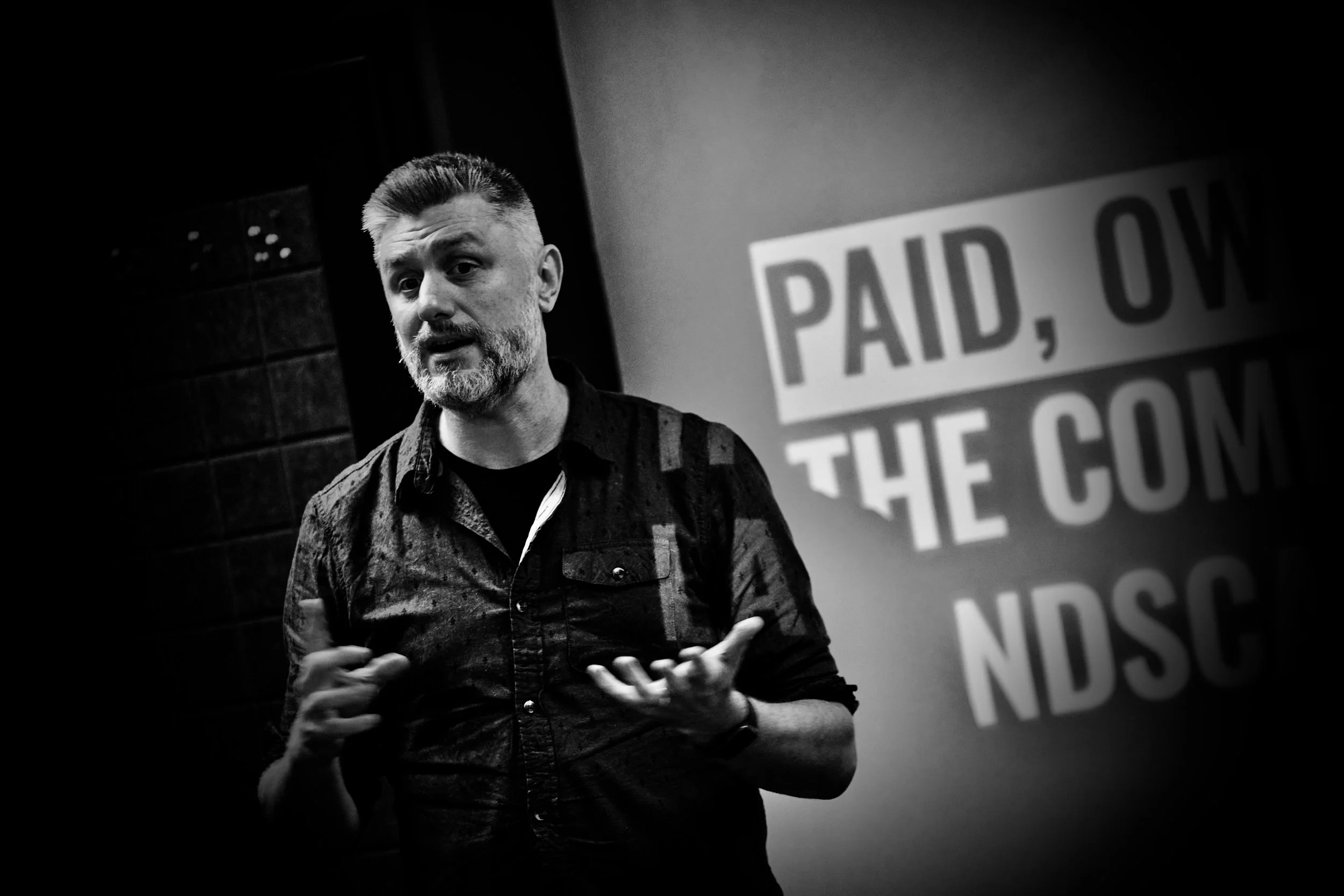
Leaders don’t need more information. They need clearer framing, better trade-offs, and support that helps decisions land. I work alongside CEOs, marketing leaders, and marketing teams when performance is shifting, signals are noisy, and the old playbook no longer fits.
The work spans research, diagnosis, and fractional leadership. It is grounded in real-world context, focused on priorities, and shaped around the decisions that determine what happens next.
What drives my work is simple. Strategy matters only if it changes outcomes. I’m not interested in decks that look good but go nowhere. I care about thinking that holds under pressure, decisions teams can stand behind, and work that gets used. That means embedding when needed, challenging assumptions, and staying close to the choices that shape real progress.
Marketing has changed. This is the work I’m doing about it.
Marketing hooked me early because it rewards clear thinking. My first serious project had no budget and an ambitious target. I tested a new channel, activated partners, and watched momentum compound. That experience shaped how I’ve worked ever since: focus on the real lever, not the noise.
Across the 2010s, marketing felt like an expanding frontier. Digital growth was rising, measurement was improving, experimentation was rewarded, and boards were increasingly confident in marketing as a driver of results.
Then the ground started to move.
By the late 2010s, and especially after the post-pandemic boom faded, the old certainties began breaking down. Attention became more expensive. Channels fragmented. Measurement became contested. Attribution became political. Many teams started spending more energy defending marketing than improving it. What used to work stopped working as reliably, and the old playbooks started to produce diminishing returns.
That shift is the centre of my work now.
I’m building a body of research focused on the marketing transition, turning ambient frustration into observable causes and practical responses. The goal is simple: help leaders understand what has changed, why it has changed, and what a modern marketing strategy and operating model should look like in response.
Today, I work with CEOs, marketing leaders, and marketing teams when decisions matter most. I bring clarity on priorities, measurement, and execution, then help teams turn those decisions into momentum.
The Principles That Shape How I Work